
Reduce Footstep Noise From Upstairs Neighbor Cheap
To reduce footstep noise from your upstairs neighbor cheaply, start by using dense rugs and thick padding. These materials absorb vibrations and can significantly diminish the sound.
Next, seal any gaps with acoustic caulk to limit noise leakage. This simple step can make a noticeable difference in the amount of sound that travels between floors.
Additionally, consider positioning heavy furniture against shared walls to block sound. This can act as a barrier and help minimize disruption.
For even better results, you might explore using soundproofing panels or moving blankets to dampen noise further.
Lastly, don’t hesitate to engage your neighbor about the issue. Clear communication can foster cooperation and lead to a more peaceful living environment. There are many effective strategies and options to explore for better soundproofing.
As an affiliate, I may collect a share of sales or other compensation from the links on this page.
Understanding the Impact of Footstep Noise
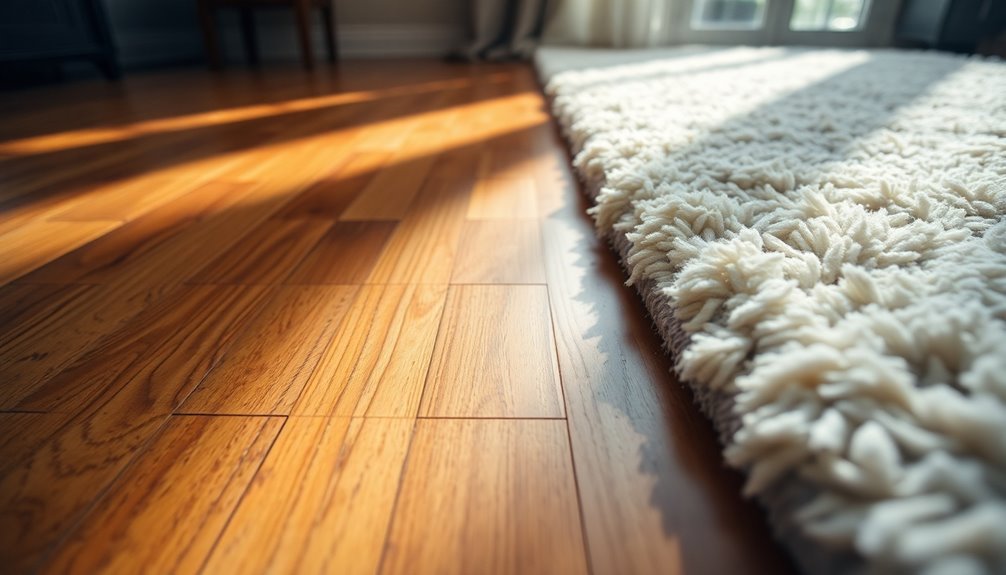
Footstep noise greatly affects residents in multi-family dwellings. It’s a primary source of impact noise, resulting from direct contact with floors.
Low-frequency sounds, typically between 40–150 Hz, travel easily through structures, making them more intrusive than airborne noise. This sudden and inconsistent noise can lead to increased annoyance, impacting sleep and concentration. Chronic exposure may elevate blood pressure and contribute to anxiety or depression. Individual noise sensitivity varies, influencing overall disturbance levels. Understanding these characteristics helps you recognize the significant impact footstep noise has on your living environment, guiding potential measures for improvement. Additionally, excessive noise in hospitals can prolong patient stays and increase stress for staff, underlining the importance of managing sound levels in any shared living space. Implementing multiple techniques for soundproofing can significantly enhance your comfort by reducing the transmission of noise from upstairs neighbors.
Immediate Low-Cost Solutions to Reduce Noise
Reducing footstep noise from upstairs neighbors can be achieved through various immediate low-cost solutions that require minimal effort and investment.
Rugs and Mats: Use dense rugs with thick padding to absorb vibrations. Adding rubber or felt pads under furniture enhances this effect. Layering smaller rugs in walking paths creates sound absorption zones.
Sound Masking: Play low-frequency brown or white noise to mask footsteps. Position speakers to project sound upward for effective masking.
Hanging Materials: Hang moving blankets or heavy curtains to absorb noise. Incorporating Acoustic Cavity Infill Products like Maxi Slab can further enhance the sound absorption in your space.
Sealing Gaps: Apply acoustic sealant to cracks and gaps, limiting noise leakage.
Furniture Adjustments: Move heavy furniture against noisy walls to block sound.
DIY Soundproofing Techniques for Your Space
When you want to enhance soundproofing in your space, employing DIY techniques can be effective and cost-efficient.
Consider these methods:
- Install resilient channels to create a decoupled surface, reducing vibration transmission.
- Make homemade soundproof panels using wood frames filled with dense insulation, wrapped in acoustically transparent fabric.
- Seal gaps and cracks with acoustic caulk to prevent sound leaks through joints and seams.
Implementing these techniques can greatly improve sound isolation in your home, addressing noise from upstairs neighbors effectively without major renovations or expenses. Additionally, incorporating various materials in your soundproofing strategy can lead to optimal results.
Affordable Products to Help Dampen Sound
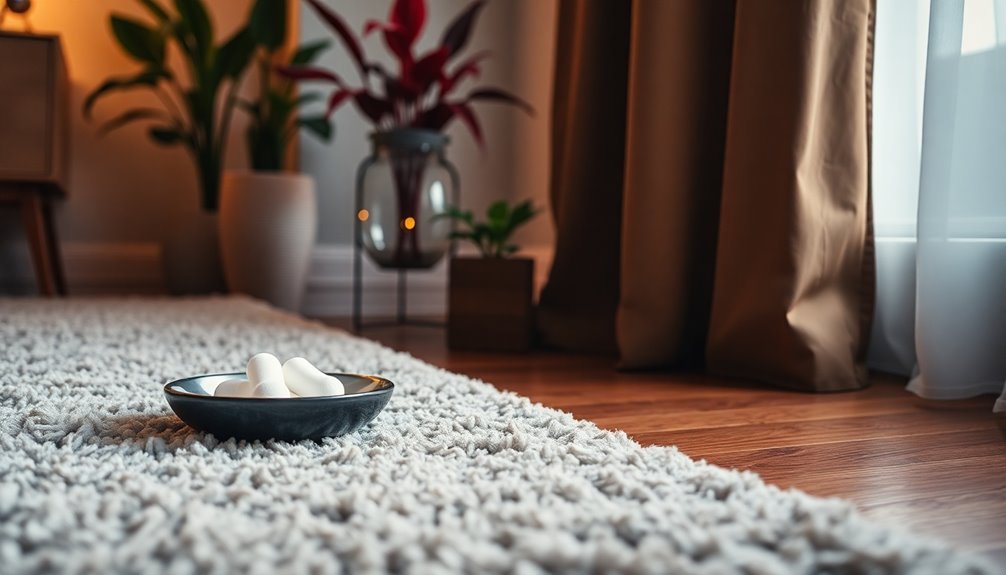
Affordable sound dampening products can significantly improve your living environment, particularly when dealing with noise from upstairs neighbors.
Mass-Loaded Vinyl (MLV) is a thin, heavy material, effective for blocking airborne and impact noise. It weighs 1 lb per square foot, providing high sound transmission class ratings. MLV can be placed under a carpet to enhance soundproofing, making it a versatile flooring option for noise-sensitive areas.
Soundproof blankets are flexible and reusable, ideal for temporary noise control.
Acoustic foam panels absorb reflected sound, improving room acoustics.
Moving blankets offer a low-cost alternative for significant noise reduction.
Rubber and felt pads under furniture legs act as shock absorbers, reducing footstep noise.
These products are budget-friendly solutions to enhance your space’s comfort.
Effective Communication With Your Neighbor
How can you approach your upstairs neighbor about noise without creating tension? Start by preparing yourself mentally.
Here are three effective strategies:
- Use “I” Statements: Share your experience, like “I’m having trouble sleeping due to noise,” instead of blaming them, which can trigger defensiveness.
- Practice Active Listening: Engage with your neighbor’s responses; nod and paraphrase to show understanding.
- Suggest Solutions: Propose specific changes, such as keeping noisy activities to daytime hours, to foster cooperation and avoid conflict.
These methods create a constructive dialogue and help maintain a positive relationship with your neighbor.
Documenting Noise Disturbances for Management
Documenting noise disturbances is an essential step in addressing issues with your upstairs neighbor. Start by maintaining a detailed noise log, noting exact times, dates, and descriptions. Use a decibel meter to quantify noise levels, providing objective data.
Record disturbances with audio or video devices for concrete proof. Collect witness statements from affected neighbors to add credibility.
When communicating with management, write a formal letter that outlines the situation clearly, attaching prior correspondence and evidence. Reference local noise ordinances and relevant lease clauses. Implementing soundproofing techniques, such as soundproof curtains, can also help reduce disturbances in your home.
Thorough documentation strengthens your case, encourages timely resolutions, and may prompt management to take corrective action.
Long-Term Soundproofing Options to Consider
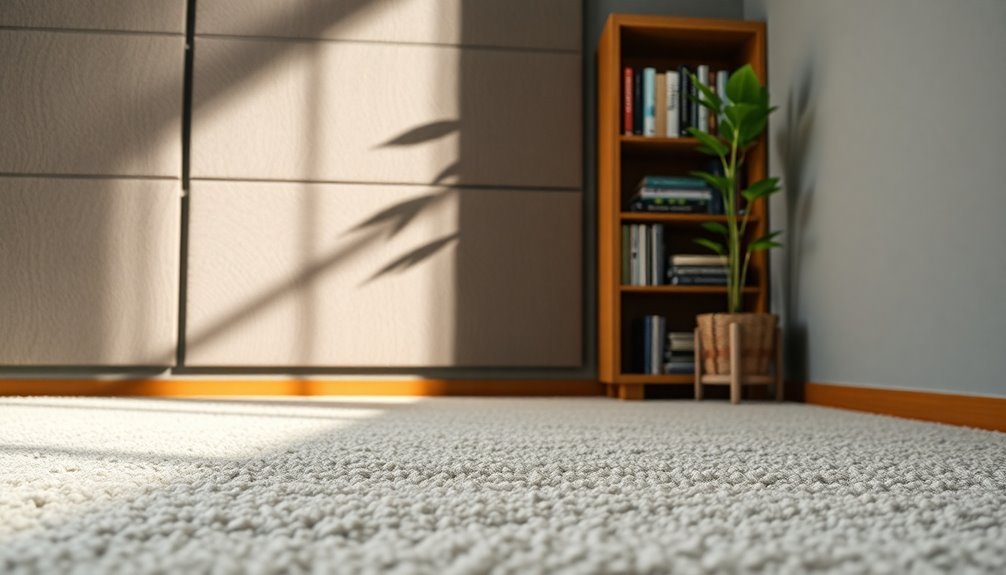
Here are three approaches to explore:
- Add Mass: Use high-density materials like acoustic plasterboard. Layering drywall with noiseproofing compounds, such as Green Glue, can effectively block sound.
- Vibration Isolation: Install systems like isoTRAX or isolation clips to decouple drywall from vibrations, greatly reducing impact noise.
- Sound Absorbing Insulation: Place acoustic mineral wool between joists. This material absorbs sound waves and minimizes echo, enhancing overall noise control. Additionally, employing decoupling methods can significantly improve sound isolation by preventing vibrations from traveling through the walls.
Consider these methods for a thorough solution.
Community Solutions for Shared Living Spaces
Establishing effective communication with your neighbors can greatly mitigate footstep noise in shared living environments.
Discuss noise level expectations and establish quiet hours with your neighbors. Use non-accusatory language to foster rapport before involving management.
Consider negotiating activity timing to avoid disturbing sleep or work hours. Encourage upstairs residents to add runners or thick carpeting to absorb sound.
Implement community-wide carpet installation for better sound absorption. Employ white noise machines in bedrooms to mask footfall noise.
Ultimately, advocate for acoustic treatments in shared spaces to reduce overall resonance, enhancing comfort for all residents in the building.
Frequently Asked Questions
What Types of Flooring Cause the Most Footstep Noise?
Hard flooring types like tile, stone, and hardwood cause the most footstep noise. Their rigid surfaces transmit sound strongly, while laminate tends to reflect it, increasing echoes unless paired with soundproof underlayment.
Can Plants Help Reduce Footstep Noise in My Apartment?
Plants won’t greatly reduce footstep noise in your apartment. While they can help with overall noise perception, their effectiveness is limited for impact sounds like footsteps. Consider combining them with other noise reduction methods for better results.
How Can I Tell if the Noise Is Impacting My Health?
You can tell noise is impacting your health if you struggle to sleep, feel more irritable, experience frequent headaches, or notice increased stress. Monitoring these symptoms can help you understand your noise exposure’s effects.
Is There a Legal Limit for Noise Disturbances in Apartments?
Yes, there are legal limits for noise disturbances in apartments. Local ordinances set maximum sound levels, typically around 60 dB(A) during the day and 55 dB(A) at night, to guarantee residents’ peace and comfort.
Can I Use Soundproofing Materials Without My Landlord’s Approval?
You can usually use non-structural soundproofing materials like rugs and curtains without your landlord’s approval. However, always check your lease agreement and consult your landlord for any modifications requiring permission to avoid issues.
Conclusion
To summarize, reducing footstep noise from your upstairs neighbor requires a combination of immediate and long-term strategies.
For example, one resident implemented carpet tiles and acoustic panels, which reduced noise by 40%. This approach not only improved their living conditions but also fostered better neighborly relations.
By taking proactive measures, such as soundproofing and open communication, you can create a more peaceful home environment while minimizing disturbances effectively and affordably.


